
Saltwater Fishing Guide
Explore Humboldt County’s coastline, bays, and jetties with our saltwater fishing guide. Learn proven techniques for surfperch, rockfish, and lingcod, understand tides and ocean conditions, and find the gear setups locals use along the North Coast.


Saltwater Gear Essentials

Dial in your setup for Humboldt’s coast with the right saltwater gear. From surf rods and heavy sinkers to jigs and swimbaits, these setups are built for surfperch, rockfish, and lingcod in changing tides and rough conditions.
1. Rods
• Surfperch: 8–10 ft medium-light surf rod
• Rockfish: 7–9 ft medium-heavy rod
• Lingcod: 7–8 ft heavy rod
2. Reels
• Surfperch: 2500–4000 size spinning reel
• Rockfish: 3000–5000 size spinning (or conventional)
• Lingcod: 4000–6000 size (strong drag)
3. Main & Leader Line
• Surfperch: 10–15 lb mono or braid + leader
• Rockfish: 20–40 lb braid + fluorocarbon leader
• Lingcod: 30–65 lb braid + heavy mono/fluoro leader
4. Tackle
• Surfperch: Size 4–2 hooks, hi-lo rigs, pyramid weights
• Rockfish: Jigs, swimbaits, 1–6 oz weights
• Lingcod: Large swimbaits, jigs, heavy jig heads

Fishing Tactics
Saltwater fishing in Humboldt County is all about reading tides, swell, and structure. Use these practical tips to fish more effectively for surfperch, rockfish, and lingcod along beaches, jetties, and bays.
Prime Seasons
Surfperch can be caught year-round, but fishing often improves in spring and early summer with calmer surf. Rockfish and lingcod are typically best from late spring through fall during calmer ocean conditions. Always check ocean conditions, as wind and swell can impact access and success.
Reading Water
In the surf, look for “troughs” (deeper water between sandbars), rip currents, and areas where waves break unevenly as these often hold surfperch. Along jetties and rocky areas, focus on structure like rocks, kelp, and drop-offs where rockfish and lingcod hide and ambush prey. Moving water around points and channels can also concentrate fish.
Surfperch Techniques (Beaches & Jetties)
Reading the Water
Surfperch usually hold in:
• troughs (deeper water between sandbars)
• edges of breaking waves
• rip currents and channels
• areas with moving water and foam
On beaches, surfperch often stay near:
• shallow feeding zones close to shore
• drop-offs just past the first wave break
• sandy areas with structure like small holes or depressions
Tips for Success
• Cast into troughs or just past the first breaker
• Keep your bait or lure moving naturally with the waves
• Use enough weight to stay near the bottom
• Fish incoming and outgoing tides for best movement
• Recast often to stay in active zones
Surfperch feed actively in the surf, so covering water and staying in moving current is key.
Always remember to check the current bag & size limit.
Local Tip (Humboldt Beaches)
Look for darker water and uneven wave breaks, these usually mark troughs where surfperch are feeding.
Rockfish Techniques (Jetties & Reef Areas)
Reading the Water
Rockfish usually hold near:
• rocky structure and boulder piles
• jetties and breakwalls
• kelp beds and submerged reefs
• drop-offs and deeper ledges
Along the coast, rockfish often stay close to structure where they can hide and ambush prey.
Tips for Success
• Fish close to structure, don’t be afraid to get tight to rocks
• Use a slow, steady retrieve or bounce along the bottom
• Keep your line vertical when possible to avoid snags
• Fish during calmer conditions for better control and access
• Be ready for quick hits, rockfish strike fast near cover
Rockfish are structure-oriented, so staying near rocks and working the bottom is your best chance at catching.
Always remember to check the current bag & size limit.
Local Tip (Humboldt Jetties)
Focus on the edges of jetties where rocks meet deeper water, these transition zones consistently hold rockfish.
Lingcod Techniques (Jetties & Reef Areas)
Reading the Water
Lingcod usually hold in:
• rocky reefs and boulder fields
• drop-offs and ledges
• holes and crevices in structure
• edges where shallow meets deeper water
These areas allow lingcod to stay hidden while waiting to ambush prey near structure.
Tips for Success
• Fish tight to structure, lingcod stay close to the bottom
• Use a slow retrieve or bounce along the bottom
• Be ready for aggressive strikes near rocks
• Fish during calmer ocean conditions for better control
• If you’re not getting bites, adjust depth or move to new structure
Lingcod hit hard and fast, so keeping tension on your line and being ready to set the hook quickly is key.
Always remember to check the current bag & size limit.
Local Tip (Jetties & Reefs)
Focus on deeper pockets and edges of rock piles, lingcod often sit in these ambush spots waiting for food to pass by.


Bait & Lures
Humboldt’s coastal conditions require the right bait and lure choices. These recommendations are tailored for surfperch, rockfish, and lingcod based on local tides, structure, and ocean conditions.
Surfperch Rigs & Baits
Hi-Lo Rig (Most Common in Surf)
Best for beaches and shallow surf zones.
Setup:
• Main line
• 2 dropper loops
• Size 4–2 hooks
• Pyramid weight (2–6 oz)
• 12–24" spacing between hooks
Keeps bait near the bottom where surfperch feed.
Spinner Setup
Great for finding active fish.
Best lures:
• swimbaits (2–4")
• grub jigs
• small spoons
Use 1/2–2 oz depending on surf conditions.
Best Surfperch Baits
Popular surfperch bait:
• sand crabs
• bloodworms
• Gulp sandworms
• shrimp pieces
Carolina Rig (Sliding Sinker Setup)
Great for more natural presentation.
Setup:
• Egg sinker (1–3 oz)
• Bead
• Barrel swivel
• 18–24" leader
• Size 4–2 hook
Allows bait to move freely with waves.

Rockfish Rigs & Baits
Hi-Lo Rig (Jetty & Shore Fishing)
Best for jetties and rocky areas.
Setup:
• Main line
• 2 dropper loops
• Size 2–3/0 hooks
• 2–6 oz weight
Keeps bait near the bottom around structure.
Jig / Swimbait Setup
Great for covering structure.
Use:
• jig heads (1–6 oz)
• swimbaits
• metal jigs
Bounce along the bottom near rocks.
Best Rockfish Baits
Dropper Loop Rig (Deep Water)
Popular rockfish bait:
• shrimp
• squid
• anchovies
• cut bait
Best for deeper areas or piers.
Setup:
• 1–3 dropper loops
• 3–8 oz weight
• Size 1–4/0 hooks
Great for fishing straight down near structure.

Lingcod Rigs & Baits
Jig Head / Swimbait Rig
Carolina Rig (Sliding Sinker Setup)
(most popular)
Best for jetties and reefs.
Setup:
• 1–6 oz jig head
• 4–8" swimbait
Fish along the bottom near structure.
Great for fishing from shore or slower presentations near structure.
Setup:
• Sliding sinker (2–6 oz)
• Bead
• Barrel swivel
• 18–36" leader
• Size 3/0–6/0 hook
Lets bait move naturally while staying near the bottom.
Best Baits
Dropper Loop Rig
Popular lingcod bait:
• swimbaits
• live/dead baitfish
• squid
• jigs
Best for deeper water or piers.
Setup:
• 1–2 dropper loops
• 4–8 oz weight
• Size 3/0–6/0 hook
Keeps bait close to bottom in rocky areas.

Local Saltwater Hotspots
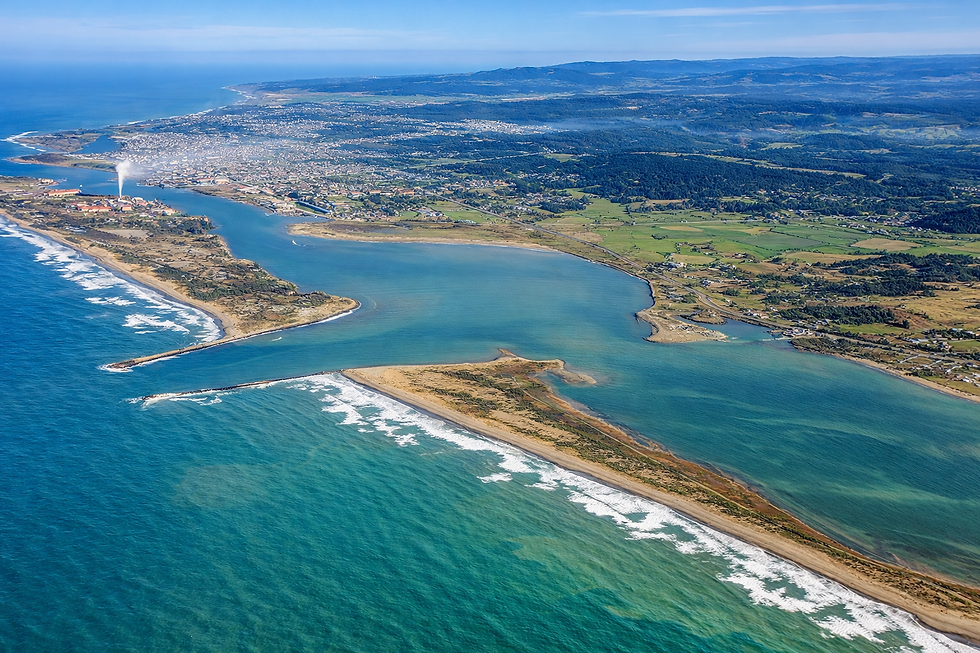
Humboldt Bay
Access: Del Norte Pier, North Jetty, South Jetty, and shoreline spots around Eureka.
Species: Rockfish, lingcod, surfperch, halibut.

Trinidad Harbor
Access: Harbor access, shoreline, and surrounding rocks.
Species: Rockfish, lingcod, surfperch, halibut.

Clam Beach
Access: Beach access off Highway 101 near McKinleyville.
Species: Surfperch, occasional halibut & striped bass.

Centerville Beach
Access: Easy beach access near Ferndale.
Species: Surfperch, occasional halibut & striped bass.

Gold Bluffs Beach
Access: Prairie Creek area (permit/road access required).
Species: Surfperch, rockfish near structure.

Shelter Cove
Access: Boat ramp, shoreline, and cliff access.
Species: Rockfish, lingcod, surfperch, halibut.